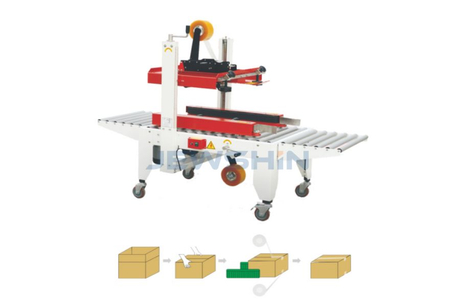
Dongguan Jewshin Intelligent Machinery helps manufacturers reduce costs by improving automation efficiency, lowering labor requirements, reducing material waste, and increasing equipment utilization. With intelligent production systems, companies can improve output consistency, shorten processing time, and reduce long-term operating expenses. Many manufacturers achieve 10%–30% cost reductions after upgrading production processes with advanced automation equipment.
Manufacturing costs are affected by many factors, including labor, material consumption, machine efficiency, energy use, and maintenance requirements. Companies operating in competitive industries need equipment that can maintain stable production while controlling expenses. Modern intelligent machinery provides a practical approach by combining automation, precision control, and flexible production functions.
According to industrial automation reports from 2024, manufacturers that adopted advanced automation systems improved production efficiency by approximately 15%–35% compared with traditional production methods. Equipment suppliers such as Dongguan Jewshin Intelligent Machinery provide customized machinery solutions designed to support different manufacturing requirements, helping factories improve production performance without continuously increasing operating costs.
“A well-designed automated system reduces unnecessary manual work and helps factories produce more consistent products with fewer resources.”
Labor cost is one of the largest expenses in many manufacturing operations. Traditional production lines often require multiple operators for feeding materials, machine adjustment, product inspection, and packaging processes. As labor costs increase in many regions, companies are investing in automation equipment to maintain competitive production expenses.
Intelligent machinery reduces the number of repetitive manual operations by using automated feeding systems, programmable controllers, and precision mechanical structures. A production line that previously required 5 operators may operate with 1–2 technicians after automation upgrades, depending on the production process and product type.
| Production Factor | Traditional Equipment | Intelligent Machinery |
|---|---|---|
| Operator involvement | High | Reduced |
| Production speed | Variable | More stable |
| Product consistency | Depends on manual skills | Controlled by machine settings |
| Adjustment method | Manual changes | Digital parameter control |
| Long-term labor cost | Higher | Lower |
For factories running multiple shifts, labor savings become more noticeable. A machine operating 16–24 hours per day can maintain stable production output while reducing the need for continuous manual supervision.
The reduction of labor requirements also improves production stability. Human operation differences can create variations in speed, positioning accuracy, and inspection results. Automated systems provide repeatable processes that help manufacturers maintain consistent product quality.
Production efficiency directly affects manufacturing costs because slower production increases expenses related to labor, electricity, and equipment usage. Improving machine cycle time allows companies to produce more products within the same working period.
Modern intelligent machinery uses optimized mechanical structures and automated control systems to reduce unnecessary movements during production. Faster positioning, accurate processing, and automatic workflow management can improve equipment efficiency by 20%–40% in many industrial applications.
For example, when a machine reduces processing time from 60 seconds per product to 45 seconds, the same equipment can increase daily output by approximately 33% without additional factory space or extra production lines.
“Higher production speed does not only increase output; it also reduces the cost allocated to each finished product.”
Material waste is another area where intelligent machinery helps reduce manufacturing expenses. Incorrect positioning, inconsistent operation, and manual errors can cause defective products and additional material consumption.
Precision machinery improves material usage by controlling processing parameters with higher accuracy. Automated positioning systems ensure that each production cycle follows the same settings, reducing unnecessary adjustments and rejected products.
A manufacturing company producing 100,000 components per month can save significant material costs by improving the qualification rate from 95% to 98%. This improvement reduces defective products by approximately 60%, helping companies use raw materials more efficiently.
| Quality Improvement | Production Result |
|---|---|
| Higher positioning accuracy | Fewer processing errors |
| Automated parameter control | More consistent output |
| Reduced manual adjustment | Lower waste rate |
| Stable production process | Less rework |
The ability to reduce waste becomes especially important in industries using expensive materials or producing high-volume components. Even a small improvement in material efficiency can create noticeable cost savings over an annual production cycle.
Equipment downtime also affects manufacturing expenses because unexpected stops interrupt production schedules. Older machines may require frequent maintenance, manual inspections, or long repair periods after failures occur.
Intelligent machinery is designed with improved mechanical reliability and monitoring functions. Better machine structures, optimized components, and easier maintenance access help reduce production interruptions.
Many manufacturers aim to reduce unplanned downtime by 10%–20% through equipment upgrades. When a factory operates continuously, reducing downtime by only a few hours per month can increase production capacity and improve delivery performance.
Regular maintenance is also easier when equipment operation data can be monitored. Operators can identify abnormal conditions earlier and arrange maintenance during planned periods instead of stopping production unexpectedly.
Energy consumption is another factor influencing total manufacturing expenses. Machines with inefficient motors, outdated control systems, or unnecessary operating cycles may consume more electricity during daily production.
Intelligent machinery improves energy efficiency by controlling machine operation according to production requirements. Automatic standby functions, optimized motion control, and efficient power management can reduce electricity consumption by approximately 10%–25% depending on equipment type and operating conditions.
For factories operating hundreds of production hours each month, energy savings accumulate over time. Lower electricity consumption also supports companies seeking more sustainable manufacturing processes.
Flexible production capability helps companies reduce equipment investment costs. Market demand often changes, and manufacturers may need to produce different product models or adjust production capacity.
Traditional production equipment usually requires significant modification when production requirements change. Intelligent machinery with programmable control systems can adjust parameters more easily, allowing factories to handle different products with fewer equipment changes.
“Flexible equipment allows manufacturers to respond faster when product requirements change without rebuilding the entire production process.”
Customized machinery solutions can support different industries by adapting machine structures, control systems, and production functions. This approach helps companies avoid unnecessary investment in separate machines for every product variation.
Manufacturing companies also benefit from improved space utilization. Automated equipment can integrate several production steps into one system, reducing the need for multiple independent machines.
For example, combining feeding, processing, inspection, and sorting functions into one automated line can reduce factory space requirements by 20%–30% compared with separate manual workstations.
The long-term financial impact of intelligent machinery comes from combining multiple improvements across the production process. Lower labor requirements, reduced material waste, improved production speed, lower energy consumption, and fewer maintenance interruptions all contribute to better cost control.
Since 2020, many manufacturers have increased investment in automation technologies as production requirements become more complex. Companies using intelligent machinery solutions are able to maintain stable manufacturing performance while controlling operating expenses.
Dongguan Jewshin Intelligent Machinery provides automation equipment designed around practical manufacturing needs, including production efficiency improvement, precision control, and customized machine development. By upgrading production systems with intelligent equipment, manufacturers can reduce unnecessary costs and build more efficient production operations for long-term growth.