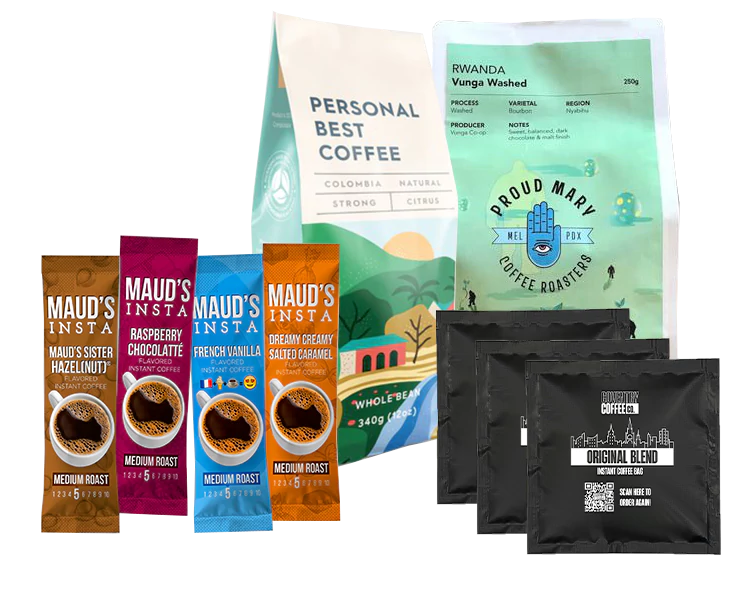
Custom coffee packaging helps roasters communicate their origin, roasting style, and brand personality before customers taste the coffee. A well-designed package can increase recognition, improve freshness protection, and explain sourcing details. Studies show that 64% of consumers try new products because packaging attracts their attention, while premium coffee brands use packaging design to explain farm stories, processing methods, and sustainability efforts.
Coffee packaging has become an important part of how a roastery introduces itself. A bag of coffee is not only a container for roasted beans; it carries information about where the coffee comes from, how it was roasted, and what the company believes in.
“A coffee package should tell the same story as the coffee inside.”
A roastery with direct relationships with farms can use packaging to share details that customers usually cannot see. Information such as the country of origin, farm name, altitude, harvest season, and processing method gives buyers a clearer understanding of the product.
For example, a specialty roaster selling Ethiopian coffee may include information about the growing region, farmer cooperative, and natural processing method. A customer seeing this information can understand that the coffee has a specific background rather than being a generic blend.
The demand for transparency has increased in recent years. A 2023 specialty coffee consumer survey showed that more than 60% of coffee buyers check origin information when purchasing premium coffee. Packaging provides enough space to present this information without requiring customers to search online.
| Packaging Detail | Story It Communicates |
|---|---|
| Farm location | Coffee origin and growing environment |
| Altitude information | Growing conditions and flavor expectations |
| Roast date | Freshness and preparation timing |
| Processing method | Production techniques |
| Tasting notes | Expected flavor experience |
These details create a connection between the customer and the people involved in producing the coffee. Once the origin story is clearly presented, the visual design becomes another way to express the roastery’s identity.
Colors, illustrations, fonts, and package structure influence how customers understand a coffee brand. A modern specialty roaster may choose clean layouts and simple typography to communicate precision, while a farm-focused brand may use natural textures and hand-drawn graphics.
Research in consumer packaging shows that people often form product impressions within a few seconds of seeing a package. In 2021, a packaging study involving more than 500 consumers found that visual appearance affected expectations of product quality and brand positioning.
A consistent visual system also helps customers recognize a roastery across different products. When espresso blends, single-origin coffees, and seasonal releases share similar design elements, customers can quickly identify the brand on a crowded shelf.
“Good packaging design allows customers to recognize a roastery before they read every detail on the label.”
The story behind coffee is not limited to farming and roasting. Packaging materials can also communicate a company’s approach to quality and environmental responsibility.
Coffee freshness depends on protection from oxygen, moisture, and light. Roasted coffee releases carbon dioxide after roasting, and poor packaging can accelerate aroma loss. High-barrier coffee bags often use multilayer structures containing polyethylene, aluminum foil, and protective films to reduce oxygen transmission.
Many specialty roasters choose Pouches Pack coffee valve bags because one-way valve designs allow carbon dioxide to escape while limiting oxygen exposure. This packaging structure is commonly used for freshly roasted coffee because it supports longer shelf stability without requiring customers to open the package immediately after roasting.
According to packaging research published in 2022, oxygen exposure is one of the main factors affecting coffee aroma quality, and barrier packaging can significantly slow oxidation compared with standard flexible packaging.
The packaging material itself can also become part of the brand message. Roasters focusing on sustainability may highlight recyclable structures, reduced material usage, compostable options, or responsible printing methods.
| Sustainability Feature | Information Customers Can Understand |
|---|---|
| Recyclable materials | Lower material complexity |
| Reduced packaging weight | Less material consumption |
| Responsible printing | Lower environmental impact |
| Reusable designs | Longer product lifespan |
Environmental information should be presented clearly because customers usually prefer simple explanations. A package that explains material choices in a short and readable way can build stronger trust.
Digital features provide another method for extending a coffee story. QR codes printed on packaging allow customers to access additional information, including farm interviews, brewing guides, roasting videos, and company updates.
Since 2020, QR code usage on food and beverage packaging has increased significantly. A 2023 packaging industry report showed that interactive packaging adoption grew by more than 40% among premium consumer brands.
A coffee bag with a QR code can connect the physical product with a larger brand experience:
-
Customers can learn about the coffee farm.
-
Roasters can explain roasting decisions.
-
Brewing recommendations can improve customer satisfaction.
-
Seasonal coffee releases can include additional background information.
This connection is especially useful for small and independent roasters because their stories are often based on personal relationships, careful sourcing, and specialized roasting methods.
Limited-edition packaging is another approach used by many specialty coffee companies. Seasonal coffees, rare micro-lots, and experimental processing methods often receive unique package designs.
A 2022 analysis of specialty beverage purchases found that limited-edition packaging increased consumer interest among premium product buyers, especially when the package included specific information about production and origin.
For example, a roaster releasing a small-batch coffee from Colombia may create packaging that includes the farm region, producer information, harvest period, and tasting profile. The customer receives more than flavor information; they understand the background of the coffee.
Different customer groups also respond to different types of stories. Professional coffee buyers may focus on roast profile and processing details, while home consumers may prefer simple explanations about flavor and origin.
| Customer Group | Useful Packaging Information |
|---|---|
| Coffee professionals | Roast profile, processing data, origin details |
| Home brewers | Flavor notes, brewing suggestions, freshness information |
| Gift buyers | Brand story, package appearance, product background |
A balanced package combines technical information with an easy reading experience. Too much information can make the package difficult to understand, while too little information can make the coffee appear similar to many other products.
The physical shape and structure of packaging also influence brand recognition. Flat-bottom bags, stand-up pouches, resealable designs, and premium finishes provide different visual impressions while supporting practical use.
Retail environments are highly competitive. A customer may see dozens of coffee products in a store, and packaging helps each roastery present its own personality. The package needs to communicate quality while remaining easy to recognize.
“The best coffee packaging connects practical protection with a clear brand story.”
As coffee consumption continues changing, custom packaging will remain an important tool for specialty roasters. The combination of origin information, material selection, visual design, and digital interaction allows companies to explain their identity through a physical product.
A coffee package represents many parts of the roasting process, from farm partnerships to final preparation. When each design element matches the roastery’s real story, customers can better understand what makes that coffee different from others on the shelf.